Introduction
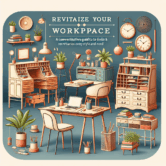
In an era where remote work is increasingly prevalent, the configuration of your workspace can significantly affect productivity, creativity, and overall well-being. The desk you use is more than just a surface for paperwork; it serves as a command center for organizing thoughts, completing tasks, and fostering inspiration. In this extensive guide, we will explore various types of desks and secretaries, offering insights on how to tailor your choices to meet your unique style and needs.
The following sections will delve deeply into the types of desks and secretaries, critical ergonomic considerations, style coordination, accessories, and budgeting tips. Let’s embark on this journey to revitalize your workspace!
1. Types of Desks
1.1 Writing Desks
Writing desks, characterized by their simplicity and minimalistic design, often feature a smooth, flat surface for writing or typing. They can include drawers and shelves for storage.
- Use Cases: Best for writers, students, or anyone who primarily engages in writing tasks.
- Real-Life Example: A freelance writer uses a small writing desk in a corner of their living room, paired with a comfortable chair, creating a cozy yet productive nook.
1.2 Computer Desks
These desks are tailored for computer users. They typically have space for a computer, monitor, and additional peripherals.
- Features: Often include cable management solutions and keyboard trays.
- Real-Life Example: A software developer complements a large computer desk with dual monitors for enhanced workflow.
1.3 Standing Desks
Standing desks allow users to alternate between sitting and standing. Some are adjustable, while others are fixed at a specific height.
- Health Benefits: Studies suggest that standing desks can alleviate major health issues linked to prolonged sitting.
- Real-Life Example: An office worker incorporates a standing desk into their daily routine, reporting improved energy levels and focus.
1.4 Corner Desks
Designed to fit snugly into corners, these desks often maximize space in smaller rooms while providing ample work surface.
- Ideal For: Small offices or home offices where every square foot matters.
- Real-Life Example: A small business owner creates an efficient workspace with a corner desk that accommodates their files and equipment without clutter.
1.5 Executive Desks
Executive desks project a sense of authority and professionalism, often featuring a larger surface area and rich materials like wood or metal.
- Personality Reflection: They are ideal for managers or anyone wanting to create an impressive workspace.
- Real-Life Example: A corporate executive adorns their office with an executive desks, surrounded by curated artwork that reinforces the office’s upscale atmosphere.
1.6 Secretary Desks
The classic secretary desk combines functionality with elegance, typically featuring a drop-down writing surface and multiple storage compartments.
- Historical Significance: Initially popular in the 18th and 19th centuries, these desks are now making a modern comeback in various styles.
- Real-Life Example: An antique secretary desk is restored and adapted for use in a contemporary home office, showcasing a blend of the old and new.
2. Ergonomic Considerations
2.1 Importance of Ergonomics
Ergonomics focuses on designing workspaces to fit the user’s physical needs, mitigating strain and injury.
- Definition: It aims to enhance comfort and efficiency by aligning the workspace with human anatomy.
- Impacts: Poor ergonomics can lead to repetitive strain injuries, such as carpal tunnel syndrome or back pain.
2.2 Desk Height
The height of the desk is crucial. Ideally, your elbows should be at a 90-degree angle when your hands rest on the desk.
- Adjustability: Adjustable desks allow you to find the perfect height, catering to multiple users.
- Real-Life Example: A family shares a height-adjustable desk, tailoring the setting for adults and children alike.
2.3 Seat and Back Support
Selecting an appropriate chair is essential. Look for lumbar support fitted chairs that encourage a natural spinal curve.
- Chair Height: Ensure the chair allows you to keep your feet flat on the floor with your knees at a 90-degree angle.
- Real-Life Example: An office employee transitions to an ergonomic chair, reporting an end to persistent lower back pain.
2.4 Monitor Placement
Monitor placement can reduce neck strain. Ideally, the top of the screen should be at or just below eye level.
- Leaning Forward: If the screen is too low, you may lean forward, leading to hunching and discomfort.
- Real-Life Example: A graphic designer sets up dual monitors, meticulously adjusting their height for optimal viewing angles.
3. Aesthetic Coordination
3.1 Minimalist Designs
Minimalist designs utilize clean lines, neutral colors, and the bare essentials, promoting tranquility and focus.
- Style Benefits: Helps eliminate distractions and fosters a productive mindset.
- Real-Life Example: An entrepreneur transforms a cluttered workspace by opting for a minimalist desk and decluttering unwanted items.
3.2 Vintage Styles
Vintage desks, often made of rich wood and ornate details, add character and history to a workspace.
- Finding Vintage Pieces: Consider visiting antique shops or online marketplaces.
- Real-Life Example: An artist incorporates a vintage desk into their studio to inspire creativity and nostalgia.
3.3 Modern Industrial
Combining raw materials like metal and wood, the modern industrial style conveys a stylish, urban feel.
- Aesthetic Appeal: Industrial desks work beautifully in loft apartments or contemporary offices.
- Real-Life Example: A tech startup opts for industrial furniture, reflecting their innovative spirit and dynamic culture.
3.4 Cozy and Inviting
Creating a cozy workspace involves incorporating elements like warm colors, plants, and soft lighting.
- Psychological Impact: A welcoming environment can enhance mood and productivity.
- Real-Life Example: A remote worker fills their home office with houseplants and mood lighting, resulting in increased creativity.
4. Must-Have Desk Accessories
4.1 Organizers
Desk organizers help keep your workspace clutter-free, improving efficiency and focus.
- Types of Organizers: Consider drawer organizers, pen holders, and file trays.
- Real-Life Example: A teacher organizes their desk with modular organizers, developing a more efficient grading process.
4.2 Monitor Stands
Monitor stands can optimize desk space while ensuring proper monitor height.
- Benefits: They can increase workspace underneath for storage or other tools.
- Real-Life Example: A graphic designer uses a monitor stand for dual monitor placement, freeing space for design materials.
4.3 Desk Mats
Desk mats protect your desk surface while offering a pop of color or texture.
- Emphasis on Aesthetics: Choose materials like leather, felt, or fabric to enhance your workspace’s visual appeal.
- Real-Life Example: A marketer incorporates a vibrant desk mat that inspires creativity during brainstorming sessions.
4.4 Cable Management
Cables can quickly become chaotic. Utilizing cable management solutions ensures they remain organized.
- Products: Look into cable sleeves, clips, or cable boxes to keep tangle-free.
- Real-Life Example: A tech-savvy worker invests in cable management tools, resulting in an aesthetically pleasing and organized setup.
5. Budgeting and Investment
5.1 Determining Your Budget
Setting a budget before purchasing a desk or secretary is essential for avoiding overspending.
- Key Considerations: Determine how much you can allocate for quality versus aesthetics.
- Real-Life Example: A startup founder creates a budget plan encompassing furniture, décor, and accessories to maximize their office investments.
5.2 Value Assessment
Investing in quality furniture generally pays off in durability and comfort. Weigh initial costs against long-term benefits.
- Choosing Wisely: Opt for pieces that blend style with function while considering user needs.
- Real-Life Example: An office manager opts for a higher-priced ergonomic chair justified by long-lasting comfort and support.
5.3 Thrift vs. New
While new furniture shines in aesthetic value, thrift stores and second-hand markets can offer unique, budget-friendly options.
- Finding Deals: Keep an eye on local marketplaces and auctions.
- Real-Life Example: A college student discovers a stunning desk in a thrift store and refurbishes it with a fresh coat of paint for budget-friendly chic.
6. Future Trends
6.1 Smart Desks
These desks include technology such as integrated charging stations and sensors that monitor posture and activity level.
- Impact: Cumbersome cables might become obsolete with greater automation in workspaces.
- Emerging Technologies: Smart desks that adjust height based on user preferences are gaining traction.
6.2 Sustainable Choices
Eco-friendly materials and sustainable practices are increasingly being prioritized in desk manufacturing.
- Conscious Consumption: Choosing furniture made from reclaimed wood or recycled materials can significantly reduce your environmental footprint.
- Future Trends: Eco-conscious consumers drive industry innovations that focus on creating workspaces without a heavy impact on the planet.
6.3 Personalization
As people increasingly communicate their styles through furniture, companies may offer customizable desk options to fit specific tastes.
- Unique Features: Users can select colors, materials, and configurations that best suit their preferences.
- Technological Integration: The growing intersection of technology and aesthetics will lead to advancements in customizations like embedded digital interfaces.
Q&A Section
What type of desk is best for a small home office?
For a small home office, a corner desk is often a suitable choice as it maximizes space while providing ample work surface area.
Should I invest in a standing desk?
If you frequently work long hours at a desk, investing in a standing desk can help alleviate health issues associated with sedentary work.
What is the best desk height for most people?
Generally, a desk height of about 28 to 30 inches works for most individuals, but it’s essential to consider personal preferences and body ratios.
How often should I adjust my desk if I have a standing desk?
It’s advisable to alternate between sitting and standing every 30 to 60 minutes to benefit from the advantages of both positions.
FAQ Section
| Question | Answer |
|---|---|
| What features should I look for in an ergonomic chair? | Look for adjustable height, lumbar support, breathable materials, and a supportive seat cushion. |
| How do I enhance my workspace lighting? | Utilize desk lamps with adjustable brightness and color temperatures, as well as natural light where possible. |
| What are the signs of poor desk ergonomics? | Common indicators include regular discomfort, headaches, or recurring back or neck pains associated with desk work. |
| Are there any budget-friendly options for desks? | Yes, consider thrift stores, used furniture, or modular systems that allow you to adapt your workspace gradually. |
Resources
| Source | Description | Link |
|---|---|---|
| Ergonomic design principles | Guides on workspace ergonomics and benefits | ErgoIntelligence |
| Minimalist decor ideas | Inspiration for designing minimalist spaces | Minimalism Life |
| Local thrift stores | Resources to find quality second-hand furniture | Thrift Stores Locator |
| Standing desk benefits | Health impacts and selection of standing desks | Healthline |
| DIY desk ideas | Guides on creating your own desks |
Conclusion
Revitalizing your workspace requires thoughtful consideration of your personal and professional needs. Understanding desk types, ergonomics, aesthetics, budget, and future trends can help you curate a workspace that fosters productivity, comfort, and creativity. Whether you prioritize style, functionality, or a blend of both, selecting the right desk or secretary for your needs will make a significant difference.
As the workspace continues to evolve with newly emerging technologies and design philosophies, it remains essential to constantly seek innovative solutions that enhance the work experience.
Disclaimer
This article is produced by A.I. The information contained within is intended for educational purposes and does not constitute professional advice. Users should assess all options thoroughly before making purchasing decisions.
By investing the time and research mentioned herein, you can create an efficient and aesthetically pleasing workspace tailored to your unique needs. Happy decorating!